Nobel Laureate: Social Business Is an Investment in Peace, Not Charity

Nobel Laureate: Social Business Is an Investment in Peace, Not Charity

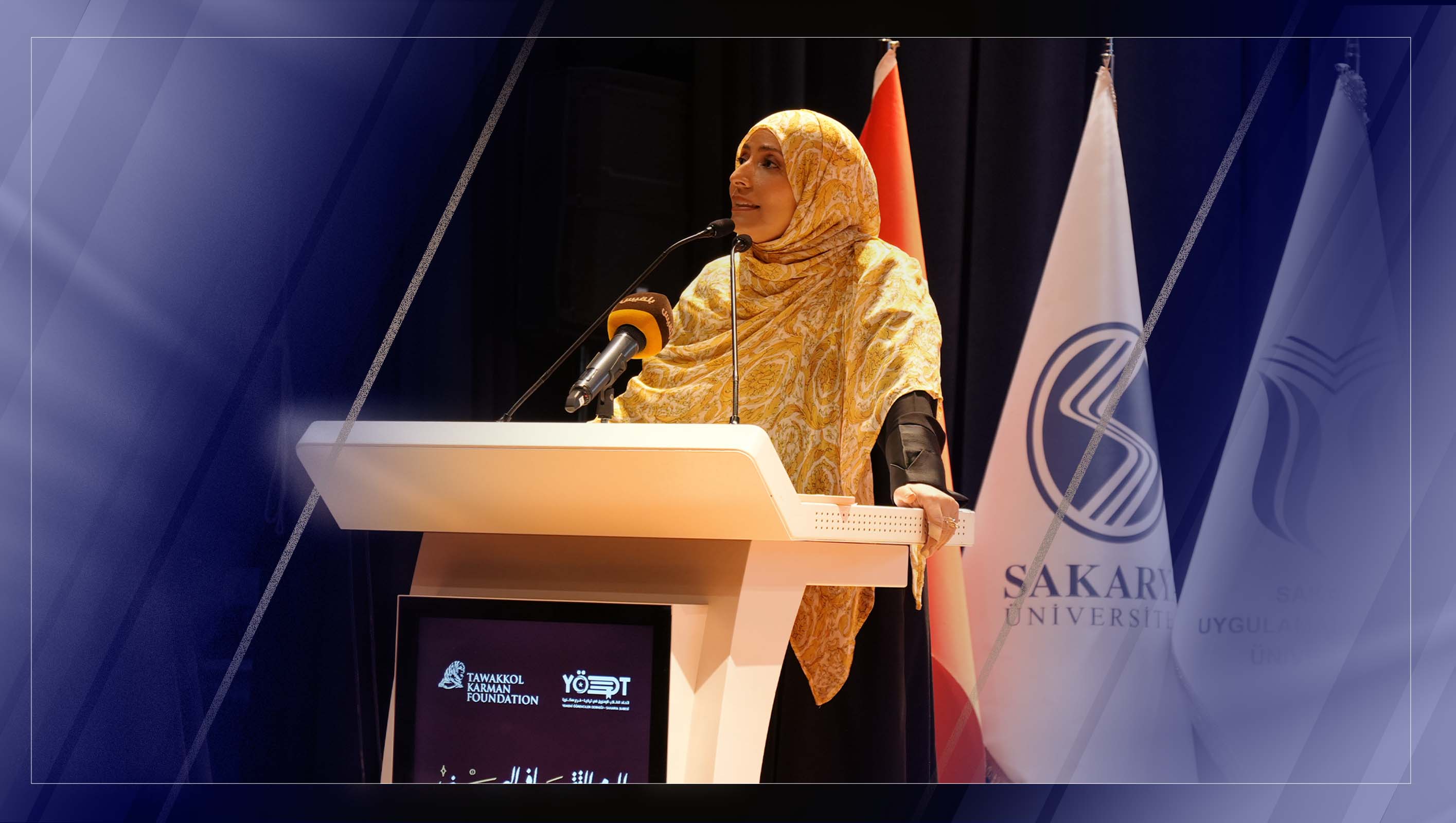
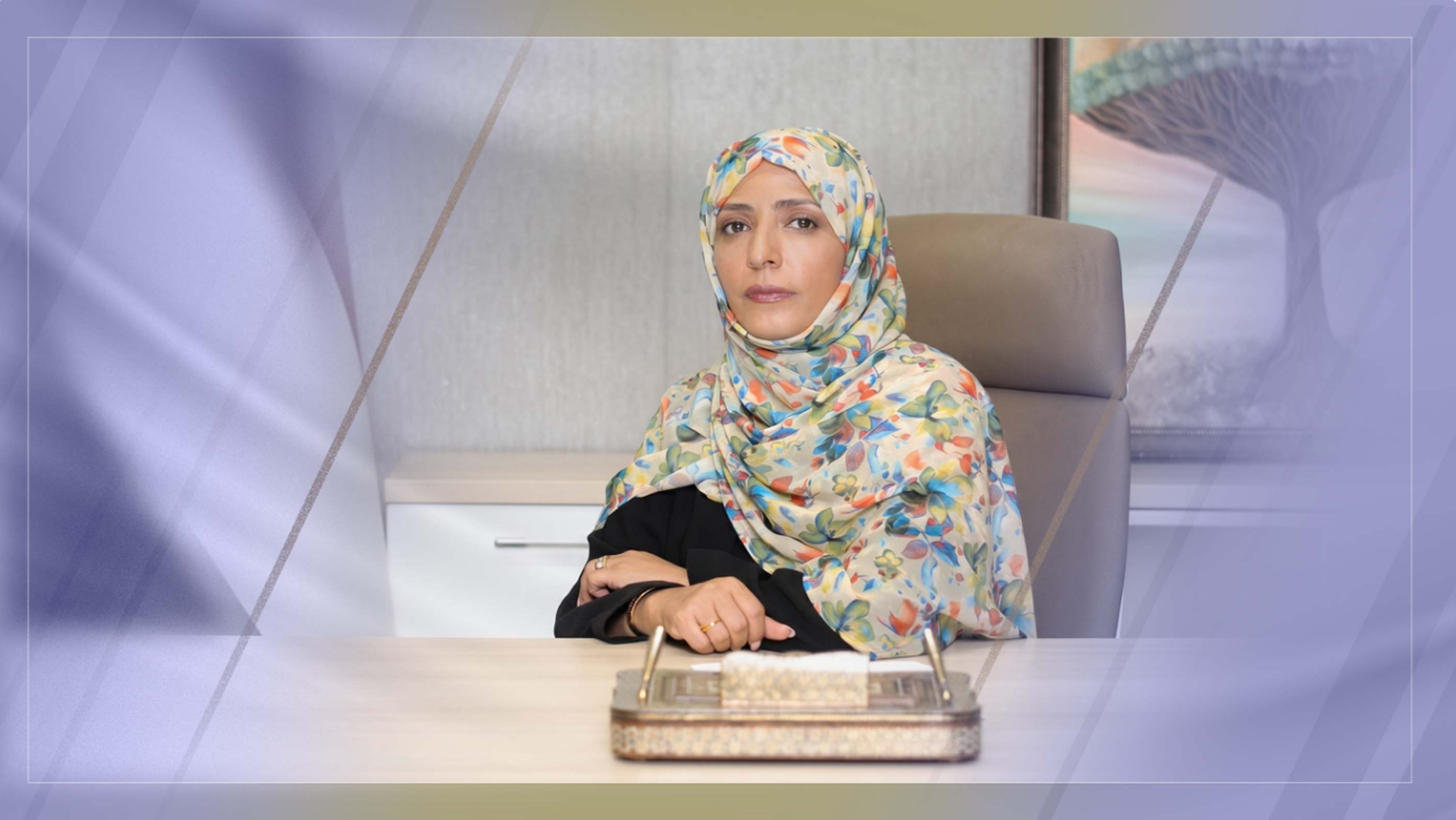
Human rights advocate and Nobel Peace Prize laureate, Tawakkol Karman, said social business offers a practical path to building peace by creating opportunities, protecting human dignity, and addressing the root causes of conflict, arguing that supporting it should be viewed as an investment in long-term peace and stability rather than an act of charity.

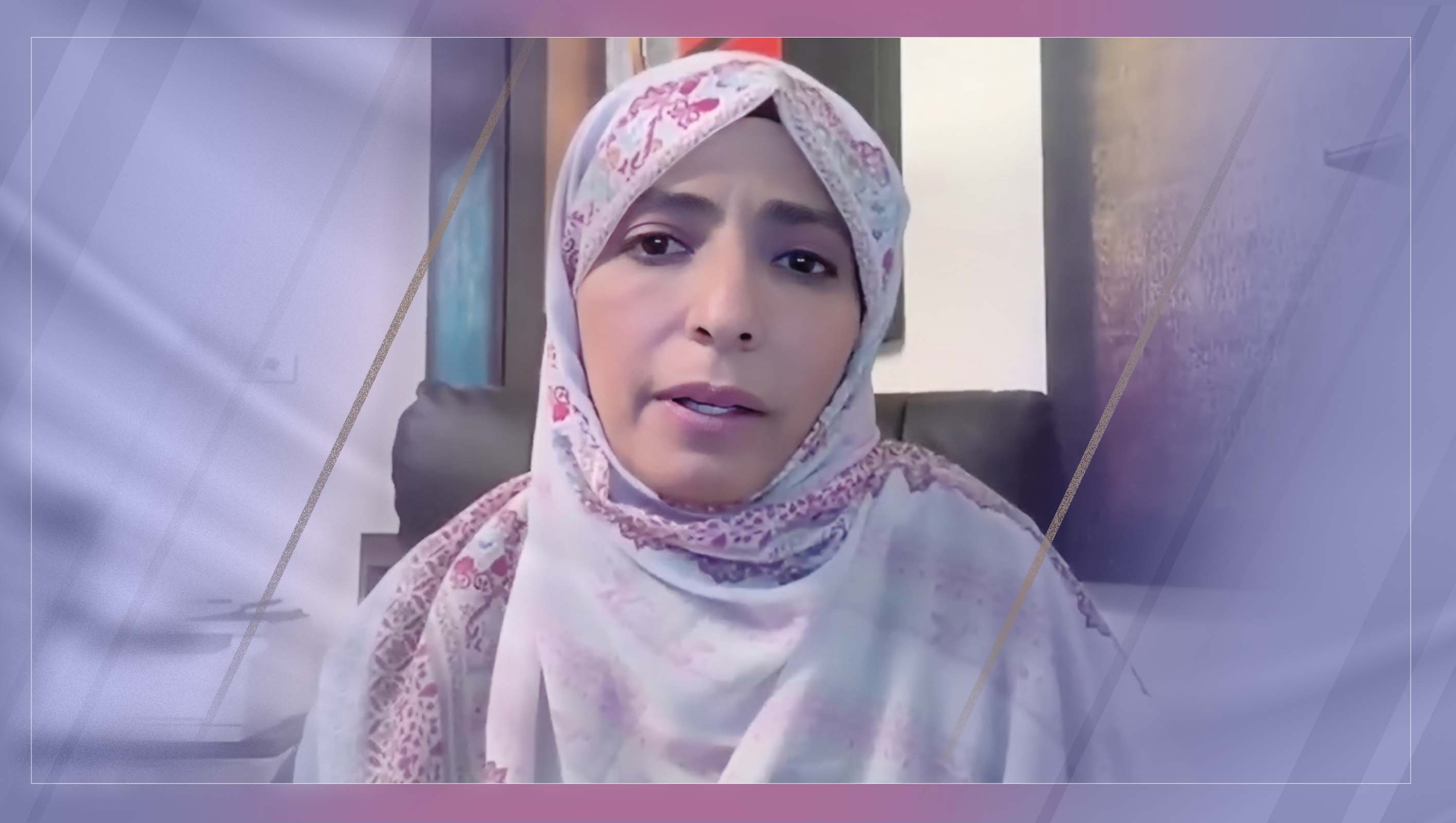
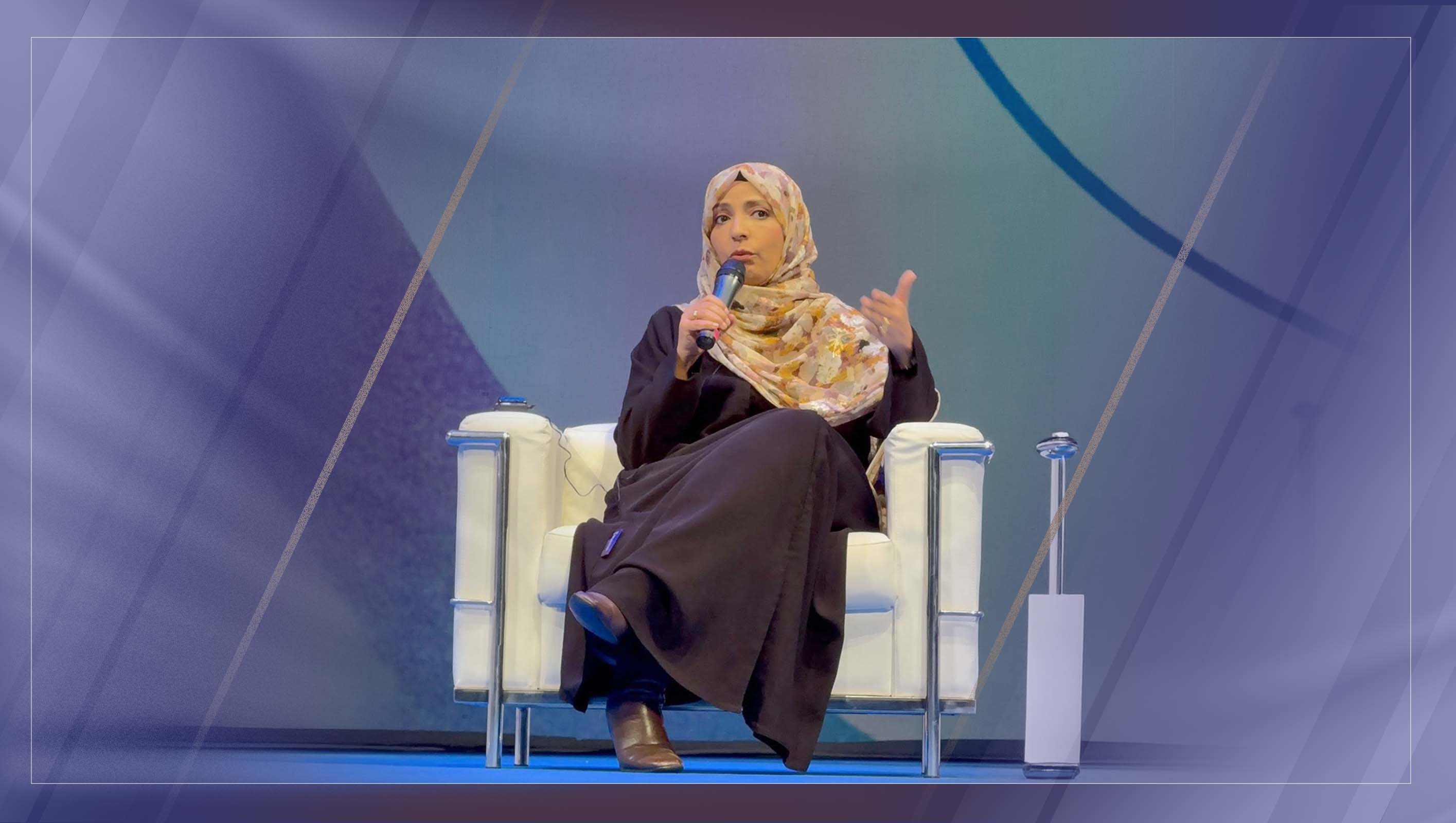
Speaking via video conference at the 16th Social Business Day event under the theme "Social Business: The Language of Peace in a Fractured World," Karman said the world is experiencing growing wars, polarization, hate speech, and declining trust between nations and communities, making it increasingly necessary to adopt approaches that unite people around shared human values.

She said peace is not merely the absence of war but the presence of justice, opportunity, dignity, and solidarity, describing social business as a model that serves people regardless of their religion, ethnicity, nationality, or political affiliation.

Karman warned that global investment in social development and social business is declining despite rapidly increasing humanitarian needs. She attributed the trend to economic crises, rising nationalism, protracted conflicts, and shifting political priorities, while millions continue to face poverty, displacement, inadequate education, and limited access to healthcare.

She cautioned that diminishing investment in development poses a direct threat to global peace, arguing that the absence of justice and opportunity fuels despair and creates conditions in which violence and extremism can flourish.

Karman praised Professor Muhammad Yunus for transforming approaches to development through microfinance and the concept of social business, saying his work demonstrated that people living in poverty lack opportunities rather than talent and showed that investing in people is among the most effective investments societies can make.

She called for stronger partnerships among governments, civil society organizations, universities, the private sector, philanthropists, and young innovators to expand social business initiatives, while also encouraging the responsible use of technology and artificial intelligence to improve transparency, efficiency, and social impact.

Karman stressed that humanitarian assistance should never be subordinated to political interests or geopolitical considerations, reaffirming that human dignity is a universal value and that access to education, healthcare, freedom, and economic opportunity forms the foundation of lasting peace.

She delivered the remarks during the 16th Social Business Day held at the Samajik Convention Centre in Savar, Dhaka, in the presence of Bangladeshi Chief Adviser Professor Muhammad Yunus. The event also marked the 50th anniversary of Grameen Bank and the 20th anniversary of Yunus receiving the Nobel Peace Prize.

Here is full texts:

Distinguished Guests,
Professor Muhammad Yunus,
Members of the Global Social Business Summit,
Ladies and Gentlemen,

It is a great honor and pleasure to join you today at this remarkable global gathering, which brings together social entrepreneurs, policymakers, academics, business leaders, and young people to explore the role of social business in building a more peaceful and sustainable world.

This year's gathering is especially meaningful as we celebrate two historic milestones: the *50th anniversary of Grameen Bank* and the *20th anniversary of Professor Muhammad Yunus receiving the Nobel Peace Prize*. These anniversaries remind us that a single idea—when rooted in human dignity—can transform millions of lives and inspire the world.

Today, we live in a world facing unprecedented division. Wars are expanding, polarization is deepening, hate speech is spreading, and trust between nations and communities is steadily eroding.

In the midst of this reality, one question stands before us:

*What language can still unite humanity when politics fails to do so?*

I believe the answer is *social business*.

When politics fails to bring people together, social business can unite them around our shared human values. Peace is not simply the absence of war; it is the presence of justice, opportunity, dignity, and solidarity. Social business is the universal language that translates these values into realities that people experience in their daily lives.

Social business does not ask about a person's religion, ethnicity, nationality, or political identity. It sees only a human being who deserves dignity, opportunity, and hope.

Every school we build, every hospital we open, every family that gains access to clean water, every young person who finds meaningful employment, and every woman empowered to build her own enterprise represents more than a development project—it is an investment in peace.

Yet today we face a troubling reality.

At a time when humanitarian needs are rising dramatically, global investment in social development and social business is declining. Economic crises, growing nationalism, prolonged conflicts, and shifting political priorities have reduced resources dedicated to development, while millions continue to suffer from poverty, displacement, lack of education, and inadequate healthcare.

This decline is not only a humanitarian crisis—it is a direct threat to global peace. Wherever justice and opportunity disappear, despair grows. And where despair grows, violence and extremism find fertile ground.

Supporting social business, therefore, is not an act of charity. It is an investment in peace, security, and long-term stability.

In this context, Professor Muhammad Yunus remains one of the world's greatest sources of inspiration. He transformed our understanding of development by proving that poor people do not lack talent—they lack opportunity.

Through microfinance, he enabled millions of women and families to become entrepreneurs and build lives of dignity. More importantly, he introduced the concept of *Social Business*—businesses designed not to maximize profits, but to solve society's most pressing challenges while remaining financially sustainable.

His vision demonstrated that investing in people is the most powerful investment any society can make.

Today, as traditional development funding continues to decline, we must expand this vision by building stronger partnerships among governments, civil society, universities, the private sector, philanthropists, and young innovators. We must also harness technology and artificial intelligence to increase transparency, improve efficiency, and expand social impact.

Above all, however, we must restore the value of human solidarity in global discourse.

In an increasingly divided world, humanitarian assistance must never become hostage to political interests or geopolitical calculations. Human dignity is not negotiable. It is a universal value that belongs equally to every human being.

Peace does not begin only when wars end. Peace begins when people know that someone believes in their right to education, healthcare, freedom, opportunity, and dignity.

That is why social business is far more than a response to crises. It is the language that builds trust between people, the bridge that carries societies from division to coexistence, and from conflict to lasting peace.

Let this summit become a renewed commitment to placing human beings at the center of development, making social business a cornerstone of peace, and transforming inspiring ideas into partnerships that change lives.

Because the future of peace will not be built by military power alone, nor by political agreements alone. It will be built when every person feels seen, heard, empowered, and able to shape their own future.

*Social business is not simply the language of peace. It is the pathway to peace.*

Thank you.

Tawakkol Karman address at 500th Anniversary of Baden Disputation in Switzerland

Tawakkol Karman address at 500th Anniversary of Baden Disputation in Switzerland

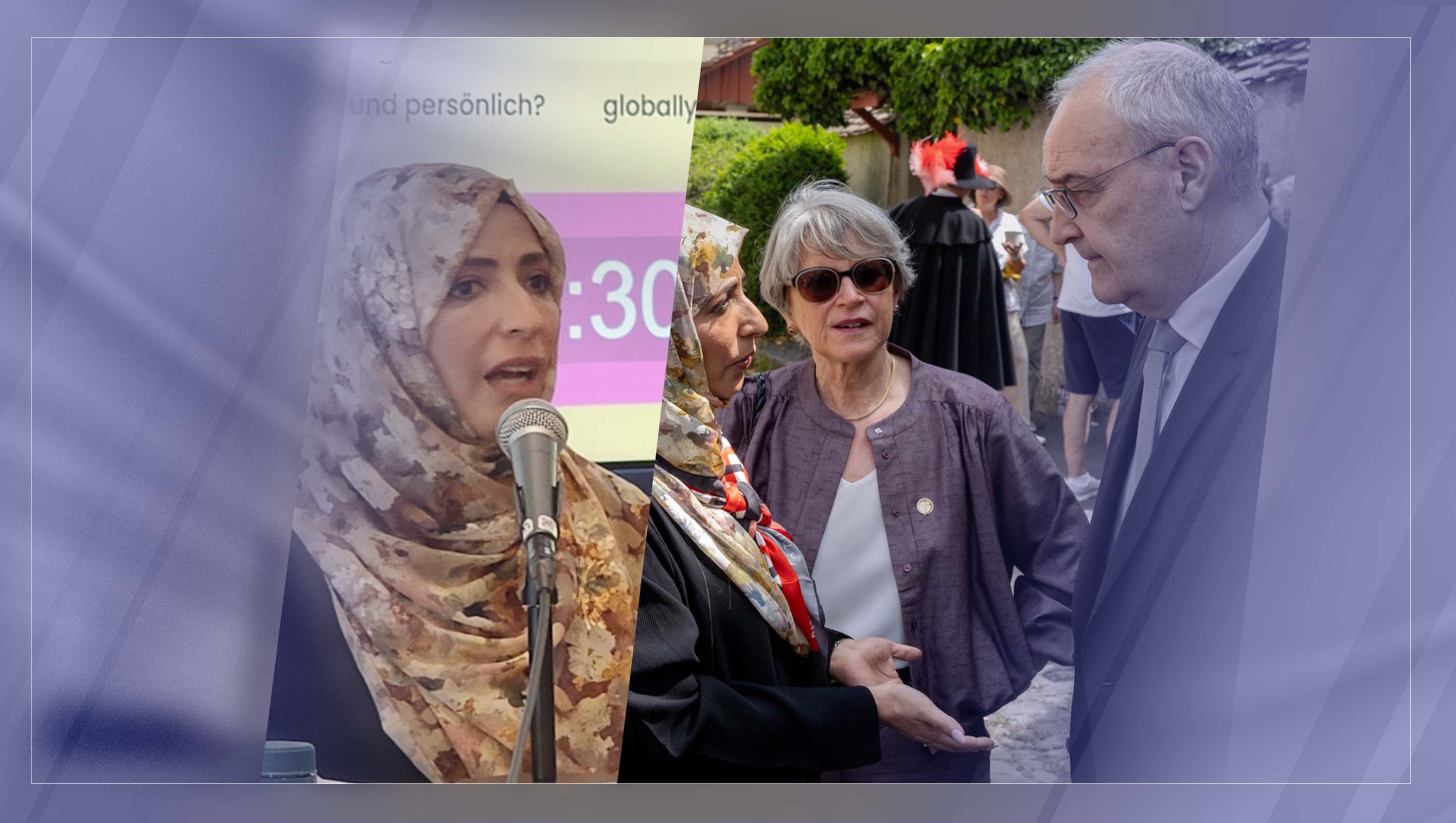
Baden, Switzerland — Human rights advocate and Nobel Peace Prize laureate Tawakkol Karman spoke on Saturday at the Disputation Festival marking the 500th anniversary of the Baden Disputation, where she addressed the importance of dialogue, justice, freedom, and peaceful resistance in confronting contemporary conflicts and authoritarianism.

Tawakkol Karman Highlights Global “Crisis of Values” at Istanbul Summit

Tawakkol Karman Highlights Global “Crisis of Values” at Istanbul Summit

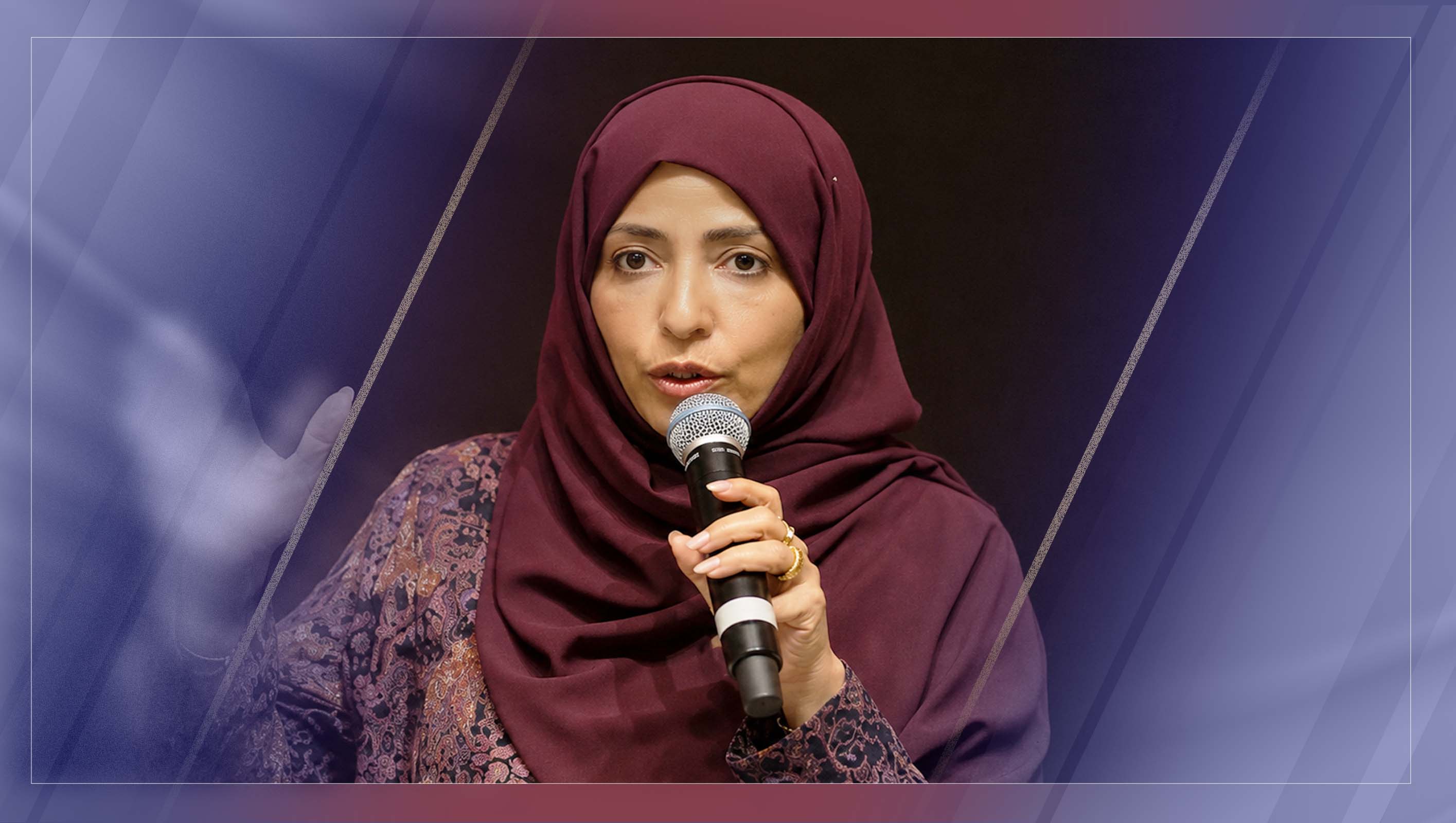
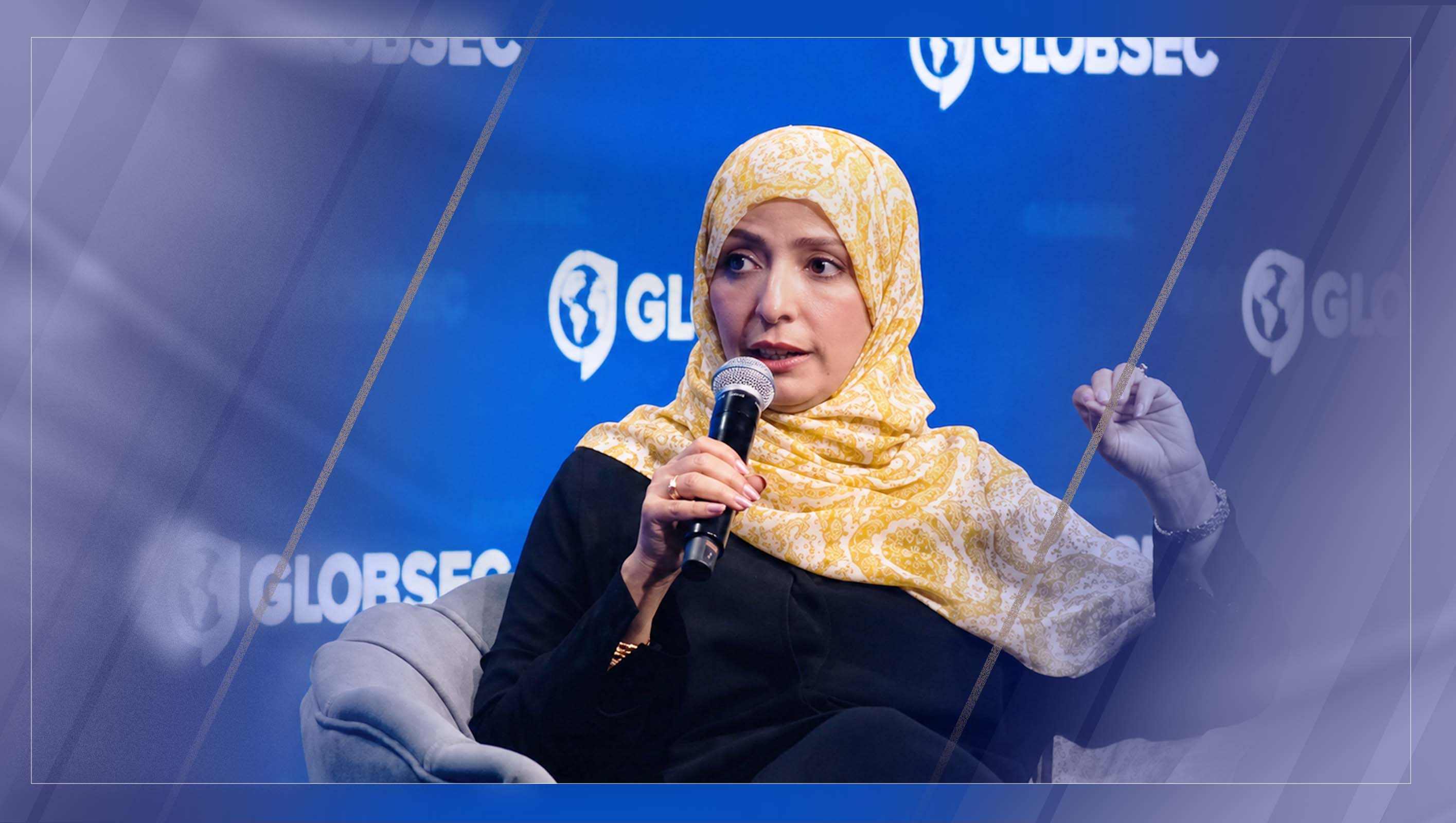
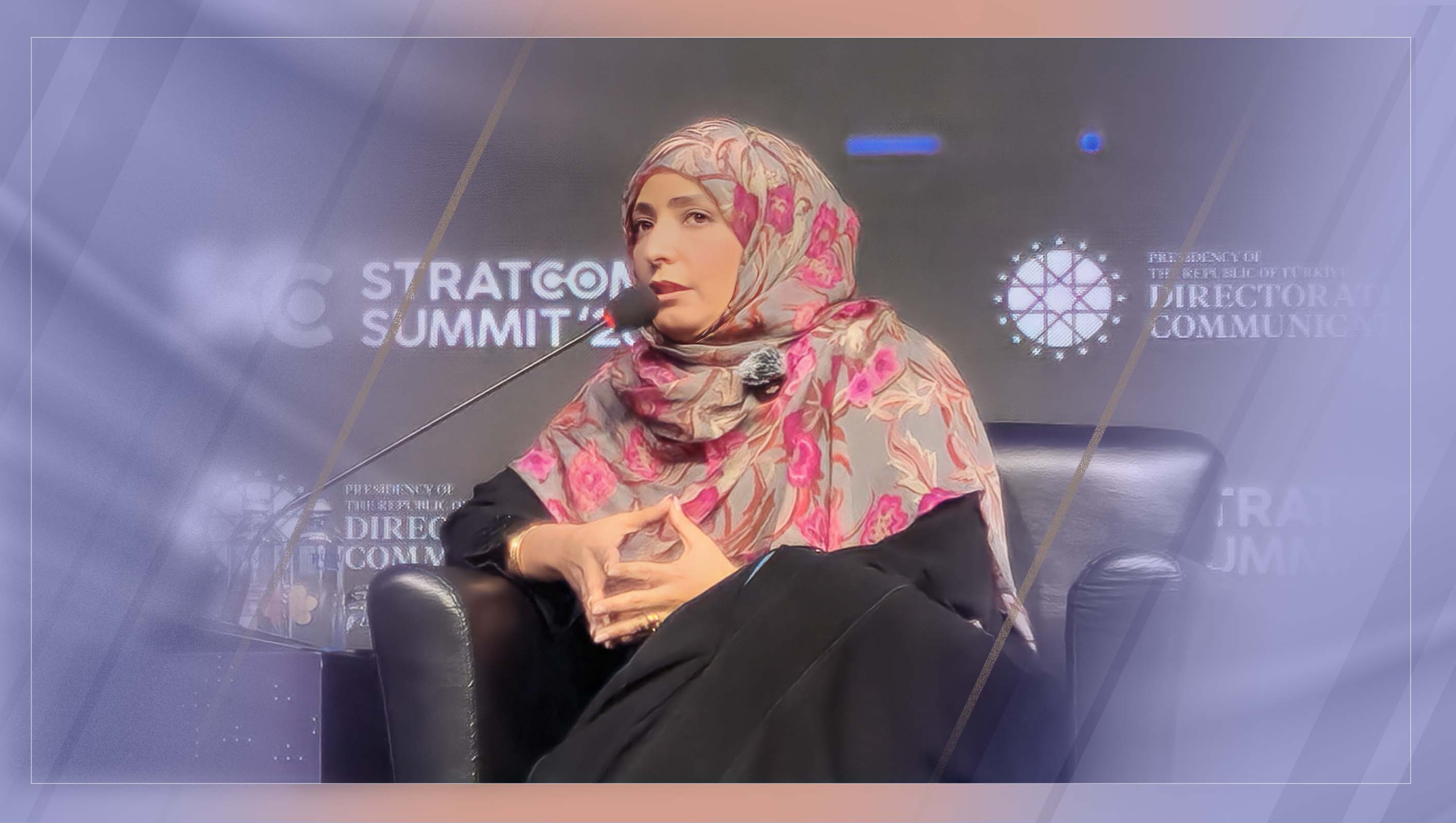
Istanbul — Human rights activist and Nobel Peace Prize laureate Tawakkol Karman delivered a stark warning about the “erosion and dismantling” of the global order, while urging collective international action to rebuild a more just system, during a high-level forum session in Istanbul.

Speaking in a one-on-one discussion moderated by Kılıç Buğra Kanat, Karman described the current moment as both a crisis and an opportunity for transformation. The session, focused on “being the voice of conscience amid conflict,” brought together debates increasingly shaping global political discourse.

Karman argued that the international system established after World War II—built on rules, institutions, and human rights—has failed to deliver equitable outcomes, particularly for countries in the Global South. Instead, she said, it has long been marked by double standards and has primarily served the interests of powerful nations.

“What we are witnessing today is not reform, but collapse,” Karman said, pointing to the role of major powers in undermining the very system they helped create. She singled out policies pursued by the United States under Donald Trump as accelerating this decline, warning that efforts to dismantle the global order pose serious risks.

While critical of the system’s structural flaws, Karman emphasized that the solution lies in reform rather than abandonment. She called for a more inclusive and equitable framework, including changes to institutions such as the United Nations Security Council, where veto power held by five permanent members has long been a source of imbalance.

She also highlighted shortcomings in global institutions, including the International Monetary Fund, the World Bank, and the International Criminal Court, arguing that political constraints have limited their ability to deliver justice and equitable development.

Beyond governance structures, Karman warned of a broader decline in international cooperation, particularly in humanitarian efforts. She cited reductions in foreign aid and disengagement from global agreements—such as the World Health Organization and the Paris Agreement—as evidence of weakening global solidarity.

“In 2015, the world committed to a shared development agenda, but that commitment is now fading,” she said, referring to the United Nations Sustainable Development Goals. “The gap is widening, and vulnerable populations are being left behind.”

Karman urged countries, particularly in the Global South, to assert a stronger collective voice against inequality and geopolitical dominance. She framed the current moment as a “historic opportunity” to rebuild a global system based on justice, equality, and human dignity, and expressed hope that countries like Turkey could play a leading role in shaping a new order.

Addressing questions on global public opinion, Karman pointed to a growing awareness among younger generations, driven largely by digital platforms. She said social media has become a central arena for mobilization against injustice, enabling voices from conflict zones to reach global audiences directly.

However, she cautioned that these platforms also carry significant risks. While describing social media as a powerful tool for advocacy and awareness, Karman warned that it is increasingly used by authoritarian regimes and large technology companies to monitor users, shape narratives, and restrict freedom of expression.

She called for a balanced approach that protects free speech while introducing regulations to prevent misuse, particularly algorithmic suppression and content restrictions. At the same time, she encouraged users to remain critical and verify information, describing disinformation as one of the most serious challenges facing humanity.

Karman also linked current debates on disinformation to historical precedents, arguing that state-driven misinformation predates social media and has long been used to justify wars and shape public opinion.

In the final segment of the discussion, Karman highlighted the role of women in times of crisis and transformation. Reflecting on the Arab Spring, she said women have consistently played leading roles in revolutions and conflicts, only to be marginalized once stability returns.

She called for greater inclusion of women in decision-making across all sectors, emphasizing that their participation is essential not only for gender equality but for broader societal progress. “Women’s rights are human rights,” she said, stressing that accountability remains the cornerstone of protecting freedoms.

Karman concluded with a call for unity, urging people worldwide to resist authoritarianism, defend human rights, and work collectively to rebuild a fairer global system. “This is a historic moment,” she said. “We must stand with the people, defend democracy, and ensure that no one is left behind.” She also reiterated her opposition to war against Iran, stressing that true justice cannot come through destruction but through freedom and democracy.

Karman saluted women across conflict zones—from Iran and Yemen to Syria, Palestine, the United States, and Ukraine—emphasizing that their courage embodies the conscience of humanity. She further expressed hope that Turkey could play a leading role in shaping a new, just global order.
 

Subscribe now to get my updates regularly in your inbox.

Copyright © Tawakkol Karman Office