
Wjwc News
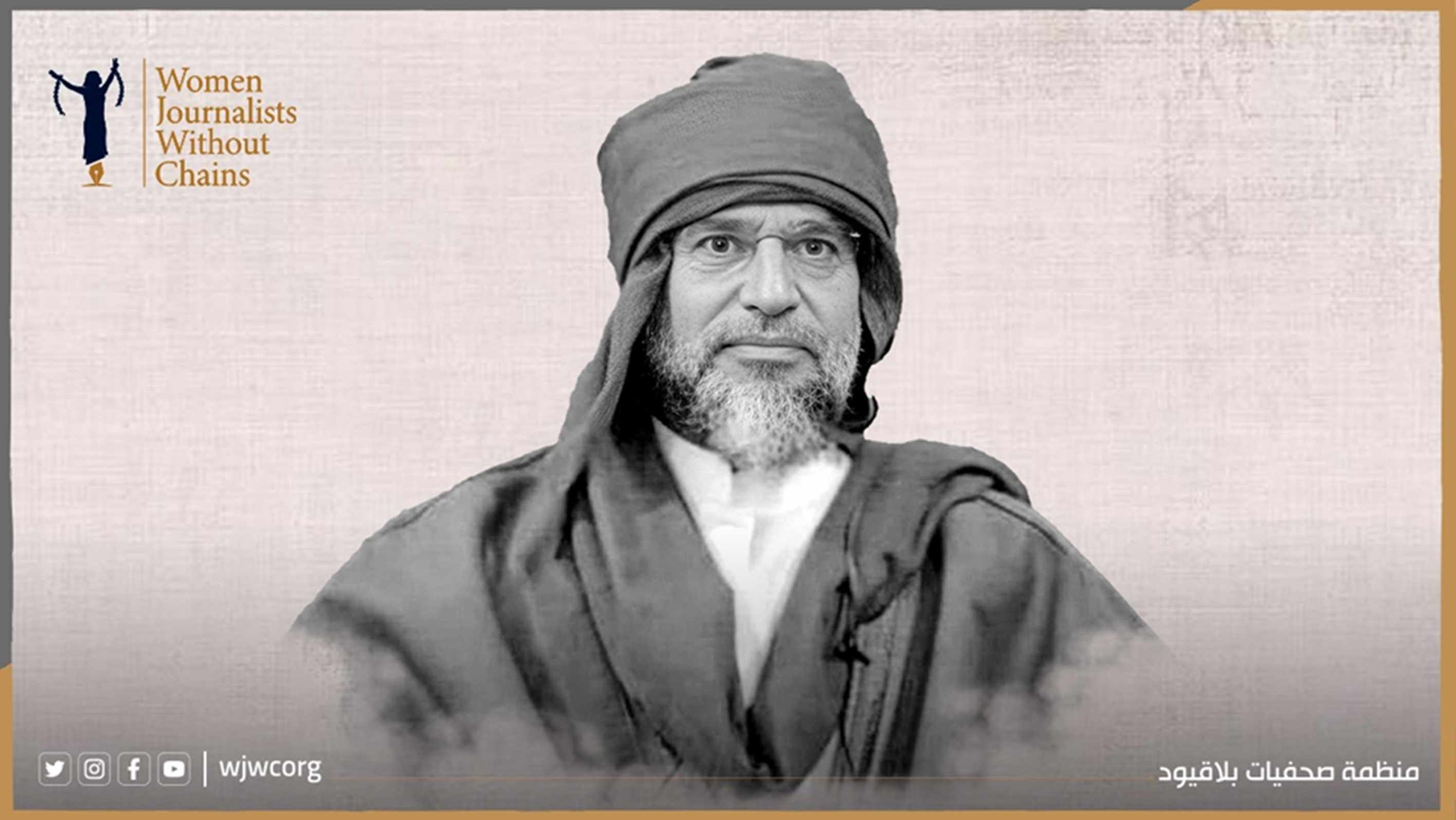
Blood Against the Ballot: The Killing of Saif al‑Islam Gaddafi
The reported killing of Saif al-Islam Gaddafi in the city of Zintan raises grave and urgent concerns regarding an apparent extrajudicial execution and a serious violation of fundamental human rights, particularly the right to life and the right to due process. The circumstances surrounding the incident demand immediate, independent, and transparent investigation to ensure full accountability and to prevent the further normalization of politically motivated violence in Libya.
Available preliminary information indicates that the killing occurred under highly suspicious conditions. Credible reports suggest that masked gunmen stormed his residence, deliberately disabled surveillance cameras, and shot him at close range, leading to his death. These details strongly indicate a coordinated and deliberate assassination rather than an incident linked to armed confrontation or lawful security operations. Such an act, if confirmed, constitutes a grave breach of international human rights law and reinforces the alarming pattern of targeted killings that continue to undermine Libya’s fragile stability.
Information gathered from multiple sources, including statements attributed to his political team and initial remarks from the Libyan Attorney General’s office, indicates that four armed individuals forcibly entered his home and subjected him to direct gunfire. These accounts raise serious concerns about the deliberate and calculated nature of the attack and underscore the urgent necessity of conducting a professional and independent investigation capable of establishing the truth and ensuring justice for victims of political violence.
Regardless of any allegations, criminal accusations, or legal proceedings that may have existed against him, no individual or group has the authority to carry out punishment outside the framework of the law. Accountability must be pursued exclusively through independent judicial processes that respect due process and fair trial guarantees. Extrajudicial executions represent one of the most serious human rights violations and constitute a direct assault on the rule of law. Allowing such crimes to go unpunished risks entrenching a dangerous climate in which armed actors operate above the law and political disputes are resolved through violence.
Any perceived political affiliation, past association with Libya’s former regime, or alleged role in previous political events cannot under any circumstances justify depriving an individual of their inherent right to life. Article 6 of the International Covenant on Civil and Political Rights, to which Libya is a state party, unequivocally prohibits arbitrary deprivation of life. International legal standards also guarantee that any individual accused of crimes has the right to appear before an independent and impartial court, receive adequate legal representation, and be presumed innocent until proven guilty following a fair and transparent trial.
The killing took place within an exceptionally sensitive political context, following his announcement last year of resuming political activity and expressing his intention to participate in national elections. Multiple indicators suggest the possibility that political motives may have played a role, particularly amid shifting alliances and intensifying competition among Libya’s rival political and military factions. The possibility of external involvement cannot be dismissed, especially in light of ongoing foreign interference in Libya’s internal political affairs. Any credible investigation must therefore examine all potential layers of responsibility, including those who may have ordered, supported, or benefited from the attack.
This incident is not isolated. It reflects a deeply entrenched pattern of political assassinations, enforced violence, and serious human rights violations that have persisted in Libya amid the collapse of centralized security structures, the proliferation of armed groups, and the absence of effective accountability mechanisms. The continued failure to investigate and prosecute such crimes has fostered a culture of impunity that threatens civilians, political actors, journalists, and human rights defenders alike.
Immediate and decisive action is required to prevent further escalation of violence and to demonstrate that Libya is capable of upholding its obligations under international law. Failure to act risks reinforcing a dangerous precedent in which political participation becomes a life-threatening activity and the use of force replaces democratic competition.
Therefore, the following measures are urgently required:
- The immediate launch of an independent, impartial, and transparent criminal investigation under full judicial supervision, with its findings publicly disclosed;
- The identification and prosecution of all individuals responsible for the killing, including direct perpetrators, planners, financiers, and any actors who facilitated or ordered the attack;
- The adoption of concrete measures to halt political assassinations and extrajudicial killings and to guarantee the protection of individuals engaged in peaceful political participation;
- The strengthening of safeguards to ensure that armed groups and security actors operate fully within the law and are subject to effective oversight and accountability.
The international community, including the United Nations, the United Nations Support Mission in Libya, and the Office of the High Commissioner for Human Rights, must urgently intensify monitoring of this case and support credible investigative efforts. They must also take concrete steps to ensure the preservation of evidence and to prevent any attempts to obstruct justice.
Continued international silence or selective engagement in the face of extrajudicial killings risks emboldening perpetrators and perpetuating cycles of violence. Lasting peace, political stability, and meaningful democratic transition in Libya cannot be achieved without justice and accountability. Ending impunity is not only a legal obligation but a moral imperative necessary to break the cycle of violence and restore public trust in state institutions.
Issued by:
Women Journalists Without Chains
February 5, 2026