
Wjwc News
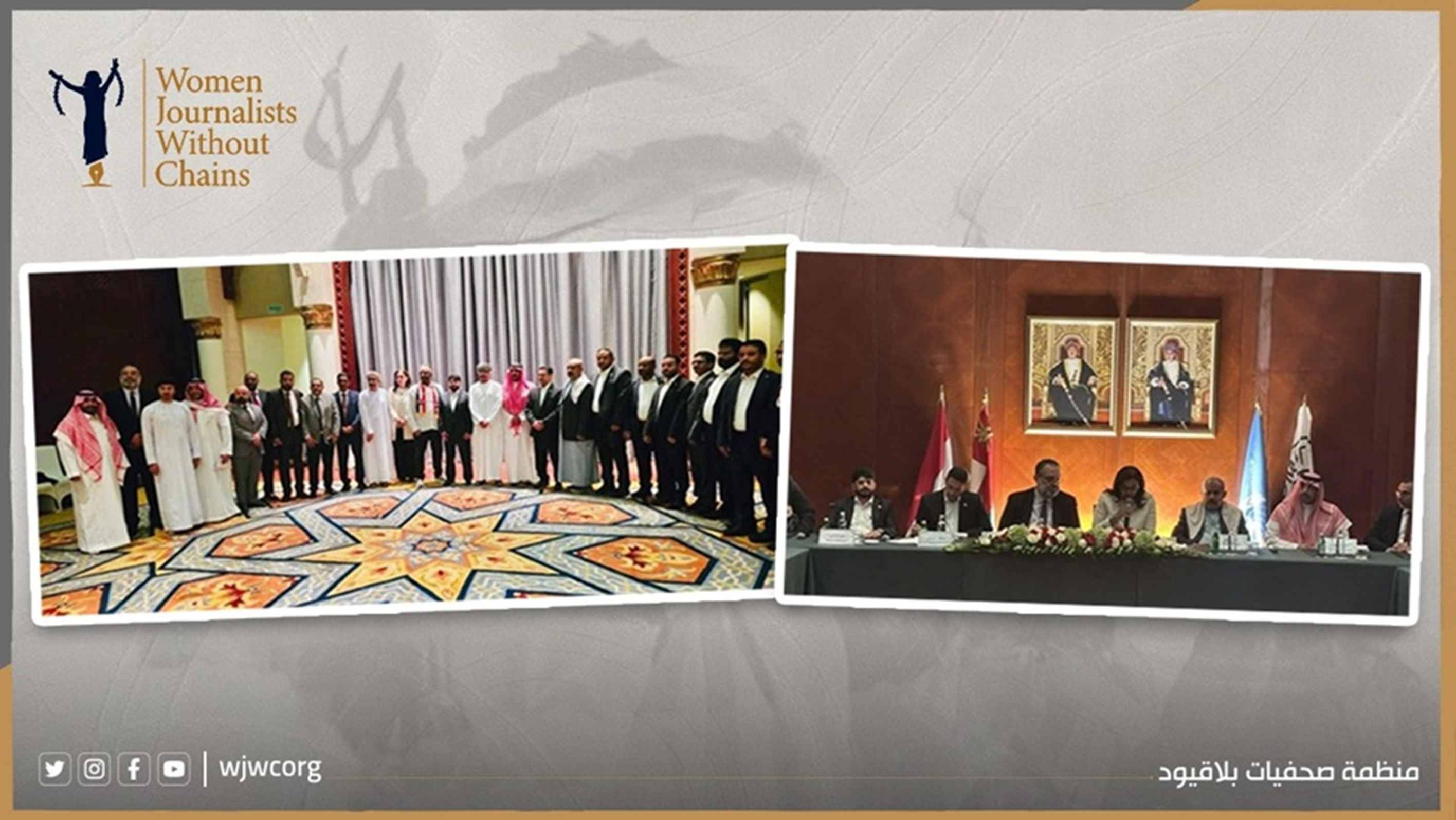
Deadlock in Yemen Prisoner Exchange Threatens Humanitarian Accord
Women Journalists Without Chains expresses profound concern regarding the protracted deadlock and prevailing ambiguity hindering the implementation of the UN-sponsored prisoner exchange agreement. Originally finalized in Muscat, Oman, on December 23, 2025, the deal mandates a comprehensive “all-for-all” exchange, encompassing approximately 2,900 detainees whose liberty remains stalled by ongoing diplomatic inertia.
Envisioned as a definitive reprieve for thousands of victims, this humanitarian agreement held the promise of resolving one of Yemen’s most protracted and agonizing human rights crises. However, as implementation falters, it risks devolving into a further instrument of psychological attrition, exacerbating the profound suffering of detainees and their families.
While the initial announcement offered a beacon of hope to thousands of families exhausted by years of agonizing anticipation, the subsequent failure to meet the January 27, 2026 implementation deadline has ignited grave concerns. The absence of concrete, operational measures risks stripping the Muscat agreement of its humanitarian core, reducing it to a hollow, deferred commitment. Such paralysis neither alters the reality of those in captivity nor alleviates the systemic suffering of their families.
The prevailing impasse over the detainee file goes beyond procedural friction; it reflects a deliberate and systematic pattern of exploitation. By persistently instrumentalizing this humanitarian crisis, the Houthi militia has reduced the plight of detainees to a cynical bargaining chip for political concessions. This weaponization of human suffering not only undermines the spirit of the Muscat accord but also entrenches a longstanding doctrine of abuse.
The ambiguity surrounding detainee lists and timelines is more than a technical flaw; it directly undermines the credibility of the humanitarian process and deepens the psychological toll on families left oscillating between promises of release and the despair of waiting, without reliable information about their loved ones’ fate.
The plight of prisoners, detainees, and the forcibly disappeared is not a political matter to be delayed or bargained away. It is a core humanitarian issue that strikes at the rights to life, freedom, and physical and psychological safety. Its impact reaches women, children, and the elderly alike, leaving profound social and psychological scars that are difficult to heal with time.
Any delay in implementing the prisoner exchange agreement constitutes an ongoing violation of detainees’ rights. The party obstructing implementation bears full legal and moral responsibility for the continued detention and the severe physical and psychological harm it causes. The right to freedom is indivisible and cannot be subjected to political calculations.
Any selective or partial handling of the prisoner file—whether by excluding groups or tying release to non-humanitarian conditions—erodes the essence of the agreement and entrenches the violations that have made detention in Yemen one of the most brutal and degrading features of the conflict.
The United Nations, the Office of the Special Envoy, and the International Committee of the Red Cross are urged to exercise their authority and apply effective pressure to guarantee the comprehensive and transparent implementation of the agreement within a publicly announced timeline, ending the uncertainty surrounding detainees’ fate.
There is a renewed call for the unconditional release of all detainees and the forcibly disappeared, the cessation of arbitrary arrests and enforced disappearances, and the recognition of detention in Yemen as a central humanitarian issue that cannot be deferred. It remains one of the deepest wounds of the war and among the gravest violations of human dignity and fundamental rights.
Released by:
Women Journalists Without Chains
February 4, 2026