
Wjwc News
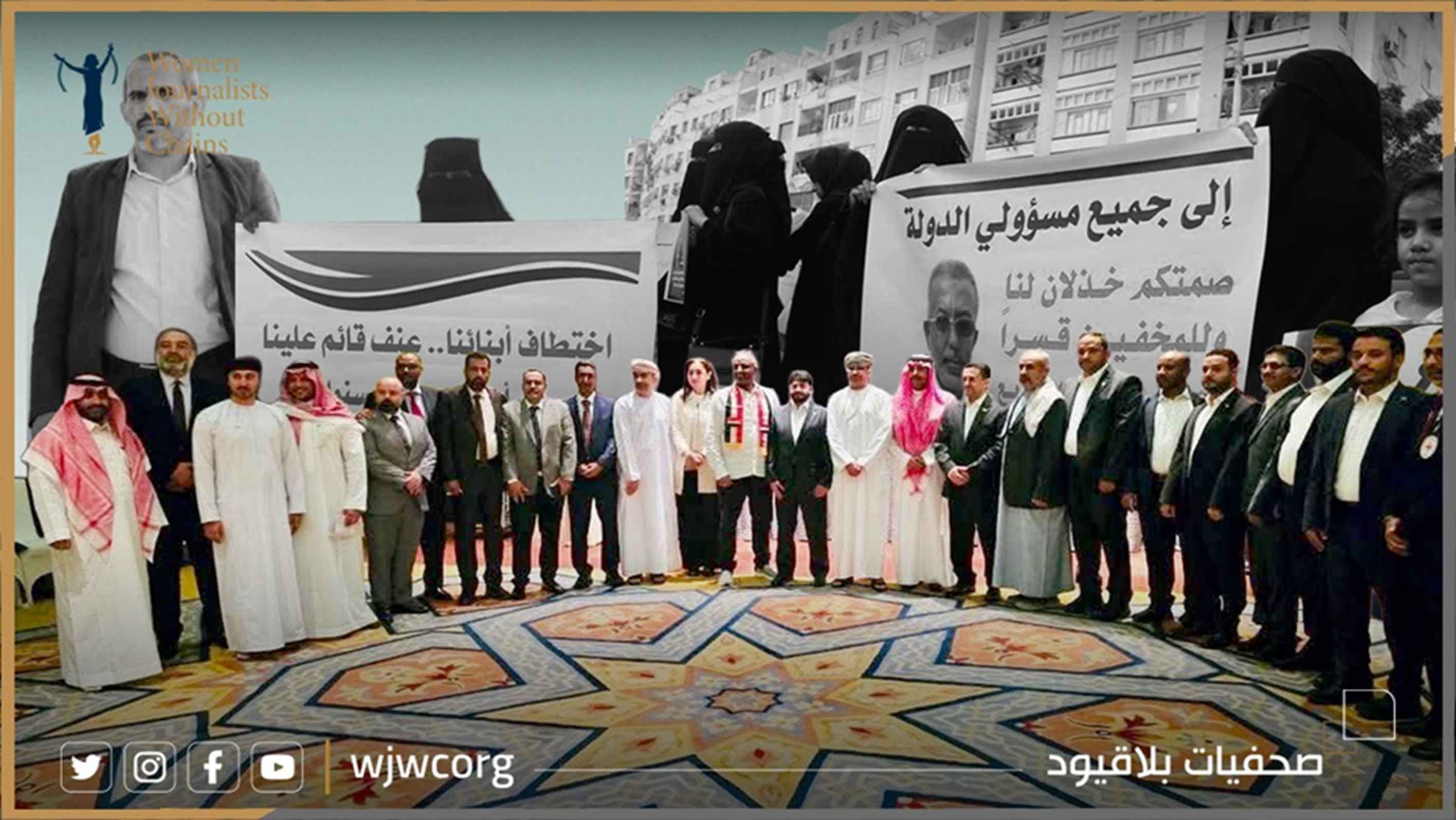
Ramadan Amid Stagnation: Families Await Justice for Yemen’s Detainees
The arrival of the holy month of Ramadan comes at a time when the file of prisoners, detainees, abductees, and forcibly disappeared persons in Yemen remains stalled, despite its status as one of the country’s most urgent humanitarian priorities. Thousands of families continue to endure prolonged anguish, living in constant anxiety and uncertainty over the fate of their loved ones.
The continued practice of arbitrary detention and enforced disappearance, coupled with the absence of concrete and effective measures to resolve this file, constitutes a grave violation of legal and humanitarian obligations. Each year of inaction compounds the suffering of victims and deepens the trauma experienced by their families.
Ramadan, with its profound moral and spiritual significance, underscores the severity of these violations. While communities observe a month associated with mercy and compassion, thousands of civilians remain held in unlawful detention facilities, and families of the forcibly disappeared remain denied their fundamental right to know the fate and whereabouts of their relatives.
The prisoner exchange agreement signed in Muscat, Oman, between the internationally recognized government and the Houthi group under United Nations auspices—covering approximately 2,900 detainees on the principle of “all for all”—raised hopes for a meaningful humanitarian breakthrough. That agreement promised relief for thousands of families. Continued delays, unclear implementation mechanisms, and the absence of concrete steps toward release have instead reduced the agreement to a political declaration without tangible humanitarian impact. Such obstruction directly contradicts the legal and humanitarian commitments attached to the deal.
Enforced disappearance in detention facilities operated by forces and formations affiliated with the dissolved Southern Transitional Council, particularly in Aden, persists without meaningful accountability or remedial action. Presidential directives calling for the closure of unlawful detention centers, the disclosure of the fate of forcibly disappeared persons, and the release of arbitrarily detained individuals have not translated into concrete results. This continued stagnation reflects a lack of genuine commitment to ending violations and delivering justice. Enforced disappearance remains a continuing crime that demands independent, transparent judicial investigations and accountability for all those responsible.
Developments in Aden further reinforce concerns. The restructuring and renaming of security formations, without addressing documented violations or holding perpetrators accountable for operating illegal detention facilities, conducting arbitrary arrests, and carrying out enforced disappearances, entrench a climate of impunity. Cosmetic institutional changes cannot substitute for meaningful reform, nor can they fulfill promises of accountability or respect for the rule of law.
Resolving the file of prisoners, abductees, arbitrarily detained persons, and the forcibly disappeared requires urgent, decisive action. Superficial measures and continued procrastination only prolong suffering. Ramadan should serve as a catalyst for concrete steps that reflect genuine commitment to justice, human dignity, and the rule of law.
Immediate and comprehensive implementation of the Muscat prisoner exchange agreement must proceed without selectivity or delay. Any obstruction or manipulation of the agreement constitutes a breach of declared obligations and further harms affected families.
The immediate and unconditional release of all abductees and forcibly disappeared persons held outside the framework of the exchange agreement remains imperative, including women, lawyers, and activists who have faced recent abductions.
Full and unconditional disclosure of the fate and whereabouts of all forcibly disappeared persons, particularly in Aden, must occur without delay. Authorities must enforce directives to close unlawful detention facilities, release all arbitrarily detained individuals, and subject all places of detention to effective judicial and legal oversight.
Respect for the sanctity of Ramadan demands more than rhetoric. It requires concrete measures and principled decisions that end the suffering of victims, dismantle systems of impunity, and establish a framework in which rights and freedoms receive equal protection without discrimination. A credible commitment to justice and human dignity in Yemen depends on actions that translate obligations into reality.
Issued by:
Women Journalists Without Chains
February 20, 2026